


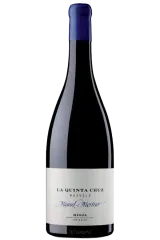

La Quinta Cruz Mazuelo 2018 | Miguel Merino | Rioja
45.50 €
Price
Free shipping from €90 in Spain Mainland and Balearic Islands | 48-72h







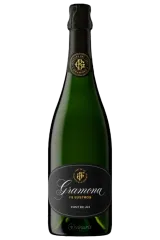

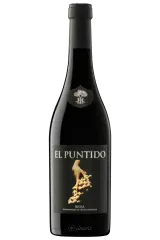
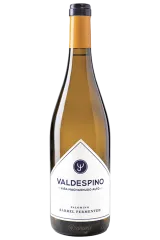


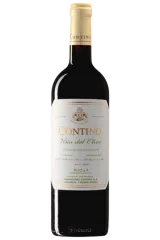


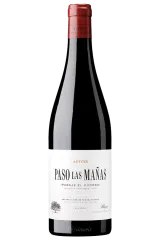
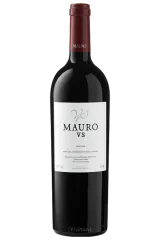
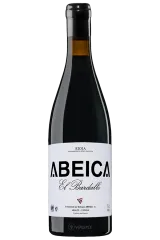

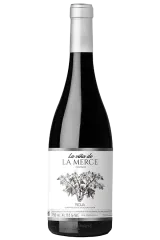






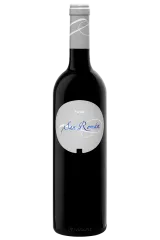

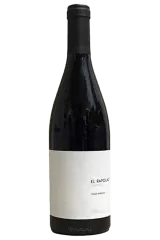

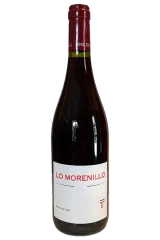

With more than one million hectares under vine, Spain has the largest vineyard area in the world, spread across more than seventy denominations of origin. The topographic and climatic diversity — from the Atlantic influence of the northwest to the continental climate of the interior and the Mediterranean climate of the east coast and the islands — determines a range of styles spanning from high-acidity Atlantic whites to long-ageing reds from the extreme continental climate.
Indigenous varieties form the backbone of Spanish viticulture. Tempranillo leads in planted area across the major inland denominations; Garnacha dominates in Aragón, Madrid and parts of Cataluña; Albariño, Godello and Treixadura define the whites of the northwest; Monastrell, Bobal and Mencía characterise the southeast, the inland east coast and the Atlantic northwest respectively. The classification system combines DOCa, DO, Vinos de Pago and IGP with the ageing categories — crianza, reserva, gran reserva — defined by minimum periods in oak and bottle.