-
France
-
Burgundy
- Chablis
- Chablis 1er Cru
- Volnay
- Mercurey 1er Cru
- Hautes Côtes de Nuits
- Montagny 1er Cru
- Recrue des Sens
- Volnay 1er Cru
- Maranges 1er Cru
- Chitry
- Crémant de Bourgogne
- Santenay 1er Cru
- Gevrey-Chambertin
- Petit Chablis
- Saint-Aubin 1er Cru
- Pernand-Vergelesses 1er Cru
- Beaune 1er Cru
- Fixin 1er Cru
- Santenay
- Savigny Les Beaune
- Chorey-Lès-Beaune
- Marsannay
- Rully
- Fixin
- Passetoutgrain
- Bordeaux
- Champagne
- Jura
- Rhône
- Alsace
- Loire
- Luberon
- Languedoc-Roussillon
- Sud-Ouest
- Beaujolais
-
Burgundy
-
Spain
- Millésime
- Sale On Sale
-
All
-
France
-
Burgundy
- Chablis
- Chablis 1er Cru
- Volnay
- Mercurey 1er Cru
- Hautes Côtes de Nuits
- Montagny 1er Cru
- Recrue des Sens
- Volnay 1er Cru
- Maranges 1er Cru
- Chitry
- Crémant de Bourgogne
- Santenay 1er Cru
- Gevrey-Chambertin
- Petit Chablis
- Saint-Aubin 1er Cru
- Pernand-Vergelesses 1er Cru
- Beaune 1er Cru
- Fixin 1er Cru
- Santenay
- Savigny Les Beaune
- Chorey-Lès-Beaune
- Marsannay
- Rully
- Fixin
- Passetoutgrain
- Bordeaux
- Champagne
- Jura
- Rhône
- Alsace
- Loire
- Luberon
- Languedoc-Roussillon
- Sud-Ouest
- Beaujolais
-
Burgundy
-
Spain
- Italy
- Portugal
- Germany
- Israel
- Hungary
- South Africa
- United States
- Argentina
- Chile
- Austria
- Sweden
- Morocco
- New Zealand
-
France
Viña Ane
We let you know when a new wine arrives or drops in price.
Viña Ane is the winery of Eduardo Monge and Lorena Garbati, founded in 2004 on the slopes of Mount Toloño, north of San Vicente de la Sonsierra. The name is that of their daughter Ane. They farm less than five hectares of their own vineyard, at around 600 metres, on clay-limestone soils very poor in organic matter.
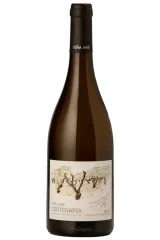
The main variety is Tempranillo, and the reds come from it: El Laberinto, Selección and Autor, aged in barrel. The white is Viña Ane Centenaria, from vines over a century old and nine white varieties, with 40% Viura and 25% Malvasía, fermented in barrel.
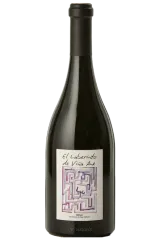
El Laberinto was born from false vines: Tempranillo vines that do not set fruit every year and, when they do, give small, very concentrated grapes. The wine was going to be called “Cepas falsas” until the painter José Urízar, from Briñas, made a drawing that became the label and gave the wine its present name. The first vintage was 2009.
Vinos de Viña Ane