-
France
-
Burgundy
- Chablis
- Chablis 1er Cru
- Volnay
- Mercurey 1er Cru
- Hautes Côtes de Nuits
- Montagny 1er Cru
- Recrue des Sens
- Volnay 1er Cru
- Maranges 1er Cru
- Chitry
- Crémant de Bourgogne
- Santenay 1er Cru
- Gevrey-Chambertin
- Petit Chablis
- Saint-Aubin 1er Cru
- Pernand-Vergelesses 1er Cru
- Beaune 1er Cru
- Fixin 1er Cru
- Santenay
- Savigny Les Beaune
- Chorey-Lès-Beaune
- Marsannay
- Rully
- Fixin
- Passetoutgrain
- Bordeaux
- Champagne
- Jura
- Rhône
- Alsace
- Loire
- Luberon
- Languedoc-Roussillon
- Sud-Ouest
- Beaujolais
-
Burgundy
-
Spain
- Millésime
- Sale On Sale
-
All
-
France
-
Burgundy
- Chablis
- Chablis 1er Cru
- Volnay
- Mercurey 1er Cru
- Hautes Côtes de Nuits
- Montagny 1er Cru
- Recrue des Sens
- Volnay 1er Cru
- Maranges 1er Cru
- Chitry
- Crémant de Bourgogne
- Santenay 1er Cru
- Gevrey-Chambertin
- Petit Chablis
- Saint-Aubin 1er Cru
- Pernand-Vergelesses 1er Cru
- Beaune 1er Cru
- Fixin 1er Cru
- Santenay
- Savigny Les Beaune
- Chorey-Lès-Beaune
- Marsannay
- Rully
- Fixin
- Passetoutgrain
- Bordeaux
- Champagne
- Jura
- Rhône
- Alsace
- Loire
- Luberon
- Languedoc-Roussillon
- Sud-Ouest
- Beaujolais
-
Burgundy
-
Spain
- Italy
- Portugal
- Germany
- Israel
- Hungary
- South Africa
- United States
- Argentina
- Chile
- Austria
- Sweden
- Morocco
- New Zealand
- Australia
-
France
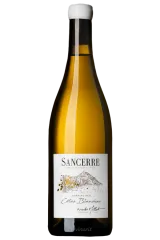
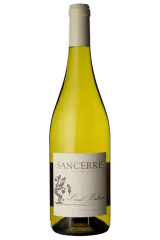
Sancerre 1 product.
Active filters
Learn more about Sancerre
On the eastern bank of the Loire, this celebrated Central Loire appellation builds its reputation on Sauvignon Blanc shaped by three distinct soil types: silex (flint), which produces wines of smoky intensity and precision; calcaire (limestone), delivering rounder, floral expressions; and terres blanches (clay-limestone), which adds body and richness. Each soil type generates a recognisably different aromatic profile within the same appellation boundary.
Red and rosé wines from Pinot Noir complete the appellation's offer, lighter in colour than Burgundy equivalents but sharing the same variety's red-fruit elegance. Sancerre's continental climate — cold winters and warm summers — drives the tension between ripeness and the naturally high acidity that defines the style.