-
France
-
Burgundy
- Chablis
- Chablis 1er Cru
- Volnay
- Mercurey 1er Cru
- Hautes Côtes de Nuits
- Montagny 1er Cru
- Recrue des Sens
- Volnay 1er Cru
- Maranges 1er Cru
- Chitry
- Crémant de Bourgogne
- Santenay 1er Cru
- Gevrey-Chambertin
- Petit Chablis
- Saint-Aubin 1er Cru
- Pernand-Vergelesses 1er Cru
- Beaune 1er Cru
- Fixin 1er Cru
- Santenay
- Savigny Les Beaune
- Chorey-Lès-Beaune
- Marsannay
- Rully
- Fixin
- Passetoutgrain
- Bordeaux
- Champagne
- Jura
- Rhône
- Alsace
- Loire
- Luberon
- Languedoc-Roussillon
- Sud-Ouest
- Beaujolais
-
Burgundy
-
Spain
- Millésime
- Sale On Sale
-
All
-
France
-
Burgundy
- Chablis
- Chablis 1er Cru
- Volnay
- Mercurey 1er Cru
- Hautes Côtes de Nuits
- Montagny 1er Cru
- Recrue des Sens
- Volnay 1er Cru
- Maranges 1er Cru
- Chitry
- Crémant de Bourgogne
- Santenay 1er Cru
- Gevrey-Chambertin
- Petit Chablis
- Saint-Aubin 1er Cru
- Pernand-Vergelesses 1er Cru
- Beaune 1er Cru
- Fixin 1er Cru
- Santenay
- Savigny Les Beaune
- Chorey-Lès-Beaune
- Marsannay
- Rully
- Fixin
- Passetoutgrain
- Bordeaux
- Champagne
- Jura
- Rhône
- Alsace
- Loire
- Luberon
- Languedoc-Roussillon
- Sud-Ouest
- Beaujolais
-
Burgundy
-
Spain
- Italy
- Portugal
- Germany
- Israel
- Hungary
- South Africa
- United States
- Argentina
- Chile
- Austria
- Sweden
- Morocco
- New Zealand
- Australia
-
France
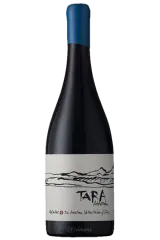
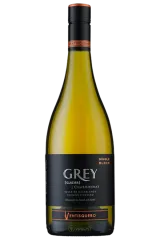
Chile 2 products.
Active filters
Learn more about Chile
Chilean viticulture is organised along a 1,400-kilometre north-to-south axis, between the Atacama Desert and Patagonia, with the Pacific Ocean to the west and the Andes to the east as climatic vectors. The denomination system adds to the traditional zones (Maipo, Rapel, Curicó, Maule) the orientations Costa, Entre Cordilleras and Andes, which more precisely describe the gradient of temperature and rainfall than simple latitude.
Cabernet Sauvignon in the Alto Maipo, Carmenère as the emblematic variety of national identity, and Pinot Noir and Chardonnay in the cold coastal zones (San Antonio, Casablanca, Bío-Bío, Malleco) are the varietal benchmarks. The dry climate and geographical isolation keep the country free of phylloxera, allowing vines to be grown on their own roots. Maule and Itata, with hundreds of hectares of País (Mission) on granite and clay, represent the historical low-yield viticulture that has gained international recognition since 2010.