

Coherencia 2024 | Ribera del Duero
20.99 €
Price
Free shipping from €90 in Spain Mainland and Balearic Islands | 48-72h
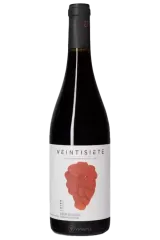

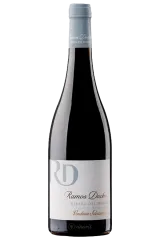
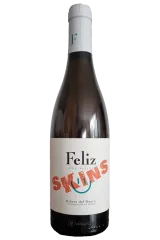

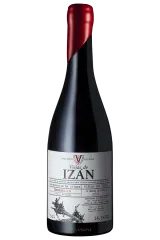
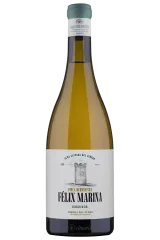

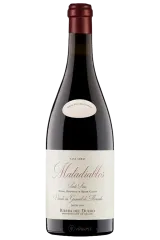


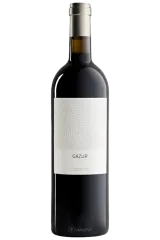
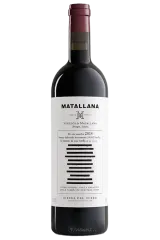


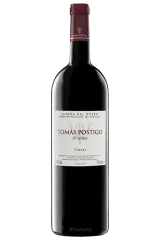
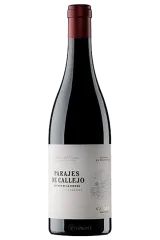

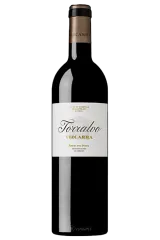

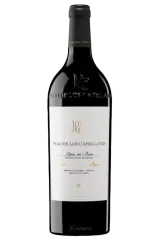
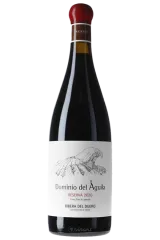


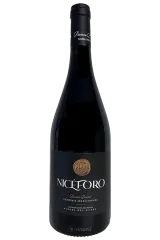
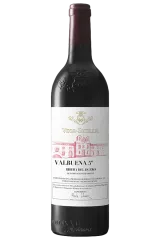


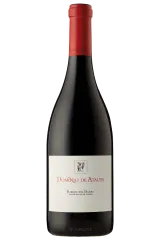
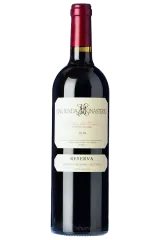

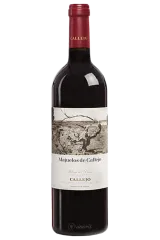
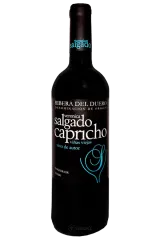

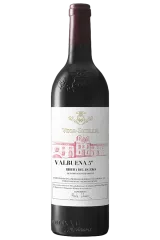

The denomination extends along the upper Duero valley, on the Castilian plateau, between 750 and 900 metres altitude over an area of more than 23,000 hectares. The extreme continental climate — cold winters, warm summers and a diurnal temperature range of up to twenty degrees during the ripening period — concentrates the fruit and preserves acidity. Soils vary between sands, silts, clays and limestone outcrops depending on position in the valley.
Tinto Fino, a local clone of Tempranillo adapted to the conditions of the plateau, is the dominant variety and the only one permitted as the sole variety in the highest-category wines. Garnacha, Cabernet Sauvignon, Merlot and Malbec are permitted as complementary varieties up to 25%. The ageing nomenclature (crianza, reserva, gran reserva) follows the national scheme, although many leading producers significantly exceed the legal minimum periods in oak.