


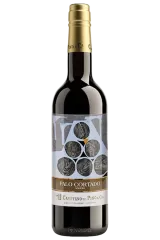


Cayetano del Pino | Palo Cortado Solera | Jerez
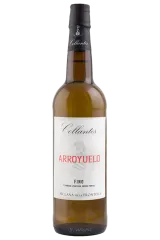
Fino Arroyuelo | Primitivo Collantes
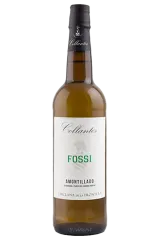


Amontillado Fossi | Primitivo Collantes
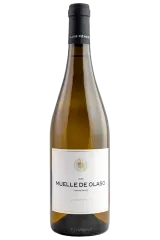

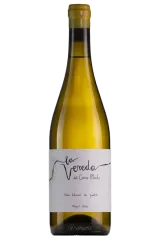
El Muelle de Olaso 2023 | Luis Perez | Vino de Pasto
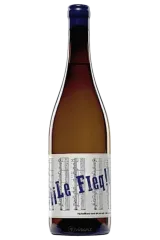

Flequi Berruti Le Fleq 2023 | Palomino Fino de Añina
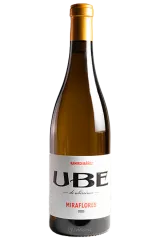
UBE Miraflores 2023 | Cota 45
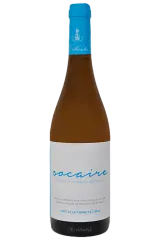
Socaire 2022 | Primitivo Collantes
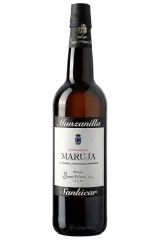

Manzanilla Maruja | Sanlúcar de Barrameda


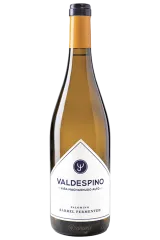

Valdespino Viña Macharnudo Alto 2024


Amontillado Aurora | Yuste | Jerez
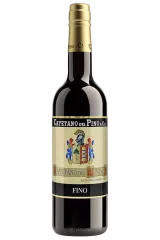
Cayetano del Pino | Fino | Jerez

Las Olas Del Melillero 2017 | Sierras de Málaga
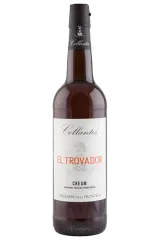
El Trovador Cream | Primitivo Collantes
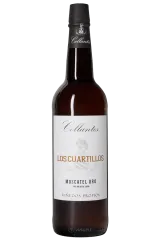
Moscatel Oro Los Cuartillos | Primitivo Collantes
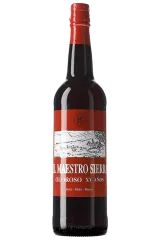

El Maestro Sierra Oloroso 15 Años
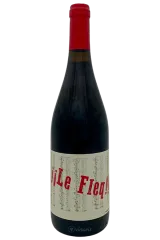
Le Fleq Tinto 2023 | Pinot Noir
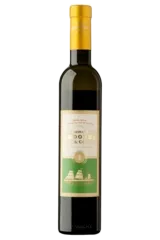
Learn more about Andalusia
Andalusian viticulture is concentrated in three main areas: the Jerez triangle (Jerez-Xérès-Sherry, Manzanilla-Sanlúcar and, in Córdoba, Montilla-Moriles), the DO Málaga and Sierras de Málaga, and an emerging production covered by the IGP Cádiz and vineyards in Granada and Almería. The common climatic denominator is heat, moderated on the coast by Atlantic and Mediterranean influences, with a calcareous albarizo substrate in the zones of greatest viticultural vocation.
The systems of flor and criadera y solera define the production of the region's biologically and oxidatively aged wines. White varieties dominate: Palomino Fino in Jerez and Sanlúcar, Pedro Ximénez in Montilla and Málaga as the base for naturally sweet wines. The diversity of styles—from the driest, most saline biological Fino to the maximum-concentration PX wines—makes Andalusia the region of greatest richness in the typology of Spanish fortified wines.