



Free shipping from €90 in Spain Mainland and Balearic Islands | 48-72h
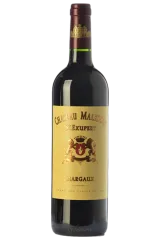
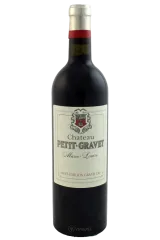
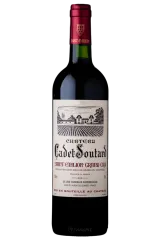
Bordeaux articulates its geography around the Gironde estuary and its tributaries: the Left Bank (Médoc, Graves, Sauternes) sits on well-drained Garonne gravels where Cabernet Sauvignon dominates, producing wines of firm tannic structure; the Right Bank (Saint-Émilion, Pomerol, Fronsac) has clay and limestone soils where Merlot ripens earlier and produces rounder, more approachable reds.
The historical classifications structure the market: the Classification officielle de 1855 (five growths of the Médoc plus Sauternes) remains the global reference for fine wine, with Mouton Rothschild as the only promotion in 1973. Saint-Émilion has its own classification, revised every ten years, and Pomerol — where Pétrus is produced — has no official classification whatsoever.
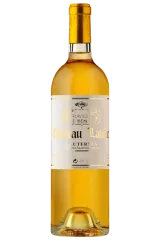
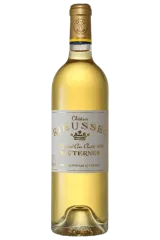
The style of the wines has evolved towards greater fruit expression and accessibility, without losing the ageing potential that defines the grands crus. The dry whites of Pessac-Léognan (Sauvignon Blanc and Sémillon) and the sweet whites of Sauternes and Barsac (botrytised) complete the stylistic mosaic of the region.