



Free shipping from €90 in Spain Mainland and Balearic Islands | 48-72h






 .
.
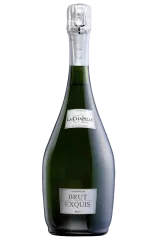

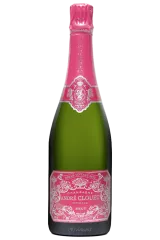

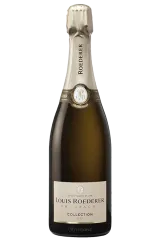

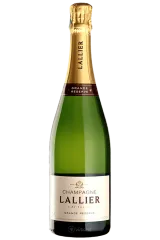

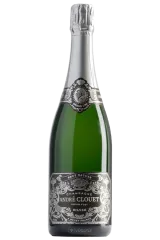


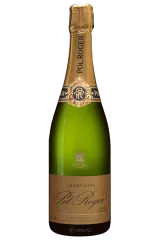

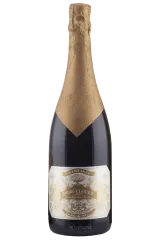

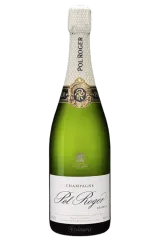
Champagne owes its unique character to the combination of chalk soils that retain heat, drain perfectly and regulate the acidity of the grape, and a climate at the northern limit of viticultural ripening that preserves the natural acidity essential for quality sparkling wines. The three main varieties — Pinot Noir (38%), Pinot Meunier (32%) and Chardonnay (30%) — are grown in five sub-regions: Montagne de Reims, Vallée de la Marne, Côte des Blancs, Côte de Sézanne and Côte des Bar.
The great maisons (Moët, Krug, Bollinger) dominate the market with their Non-Vintage cuvées — blends of vintages and sub-regions to maintain a consistent style — while Récoltants-Manipulants (RM) express the character of individual plots. Styles include NV, Vintage (only in the finest years), Blanc de Blancs (Chardonnay only), Blanc de Noirs (Pinot only), Rosé and the rare RD (Récemment Dégorgé) from Bollinger.
The final dosage — the expedition liqueur added after dégorgement — determines the sweetness style: from Brut Nature (0 g/l) to Doux (>50 g/l), via Extra Brut, Brut (the most widely sold, <12 g/l), Extra Sec and Sec. The crayères, underground galleries in the chalk built by the Romans, now serve as natural cellars at a constant temperature of 10–12 °C.