
-
France
-
Burgundy
- Chablis
- Chablis 1er Cru
- Volnay
- Mercurey 1er Cru
- Hautes Côtes de Nuits
- Montagny 1er Cru
- Recrue des Sens
- Volnay 1er Cru
- Maranges 1er Cru
- Chitry
- Crémant de Bourgogne
- Santenay 1er Cru
- Gevrey-Chambertin
- Petit Chablis
- Saint-Aubin 1er Cru
- Pernand-Vergelesses 1er Cru
- Beaune 1er Cru
- Fixin 1er Cru
- Santenay
- Savigny Les Beaune
- Chorey-Lès-Beaune
- Marsannay
- Rully
- Fixin
- Passetoutgrain
- Bordeaux
- Champagne
- Jura
- Rhône
- Alsace
- Loire
- Luberon
- Languedoc-Roussillon
- Sud-Ouest
- Beaujolais
-
Burgundy
-
Spain
- Vintage
- Sale On Sale
-
All
-
France
-
Burgundy
- Chablis
- Chablis 1er Cru
- Volnay
- Mercurey 1er Cru
- Hautes Côtes de Nuits
- Montagny 1er Cru
- Recrue des Sens
- Volnay 1er Cru
- Maranges 1er Cru
- Chitry
- Crémant de Bourgogne
- Santenay 1er Cru
- Gevrey-Chambertin
- Petit Chablis
- Saint-Aubin 1er Cru
- Pernand-Vergelesses 1er Cru
- Beaune 1er Cru
- Fixin 1er Cru
- Santenay
- Savigny Les Beaune
- Chorey-Lès-Beaune
- Marsannay
- Rully
- Fixin
- Passetoutgrain
- Bordeaux
- Champagne
- Jura
- Rhône
- Alsace
- Loire
- Luberon
- Languedoc-Roussillon
- Sud-Ouest
- Beaujolais
-
Burgundy
-
Spain
- Italy
- Portugal
- Germany
- Israel
- Hungary
- South Africa
- United States
- Argentina
- Chile
- Austria
- Sweden
- Morocco
- New Zealand
-
France
Rewards
5%
Silver
10%
Gold
15%
Platinum
20%
Élite
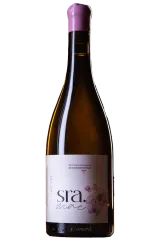
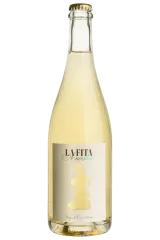
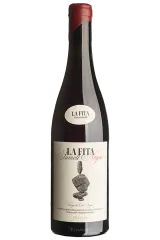
Penedes 4 products.
Showing 1-4 of 4 item(s)
Active filters

Learn more about Penedes
Penedès is the most extensive denomination in Catalonia, with three altitudinal sub-zones: Baix Penedès (0–250 m, warm Mediterranean), Penedès Central (250–500 m, the historic heartland) and Alt Penedès (500–800 m, cooler and with wines of higher acidity). The proximity to the sea, the shelter of Montserrat to the north and the calcareous soils create an environment well suited to whites and sparkling wines.
The traditional Catalan varieties — Macabeo, Xarel-lo, Parellada — coexist with a significant presence of Chardonnay, Sauvignon Blanc, Cabernet Sauvignon and Merlot. Penedès championed international varieties from the 1970s onwards. Today the denomination combines that tradition with a new wave of producers recovering indigenous Catalan varieties linked to specific municipalities.