


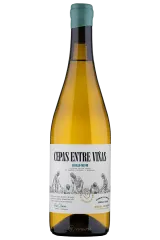



Selvanevada Blanco 2022 | Rioja
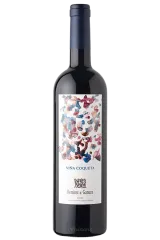


Viña Coqueta 2009 | Remírez de Ganuza | Rioja
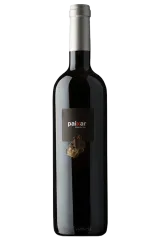

Paixar 2018 | Luna Beberide | Bierzo



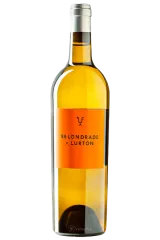

Belondrade y Lurton 2024 | Verdejo | Rueda
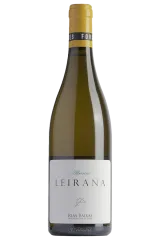

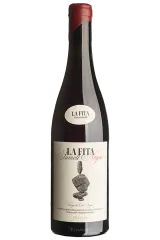
La Fita 2023 | Sumoll Negre | Penedés
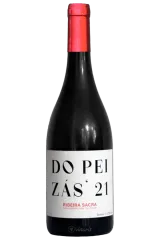
- On sale!
- -3.00 €

UBE Miraflores 2023 | Cota 45
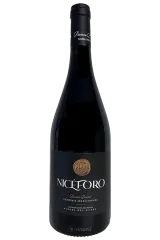
Nicéforo 2019 | Ramos Ducher | Ribera del Duero


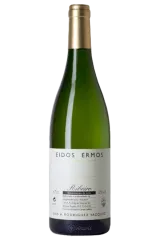
Eidos Ermos Blanco 2023 | Ribeiro
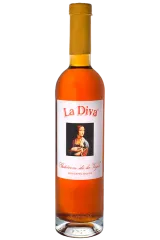
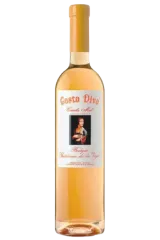
Gutiérrez de la Vega La Diva 2017 | Moscatel (375ml)




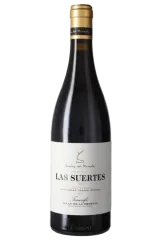
Macán Clásico 2021 | Rioja
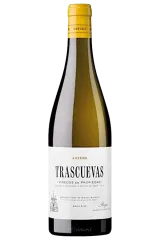

Artuke Trascuevas 2021 | Rioja
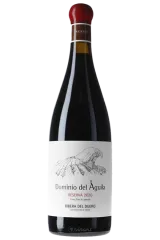

Dominio del Águila Reserva 2020 | Ribera del Duero

Ophiusa 2021 | Cap de Barbaria | Formentera

Lanzaga 2020 | Rioja
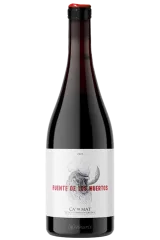
Fuente de los Huertos 2021 | Ca' Di Mat | Madrid
Learn more about Spain
With more than one million hectares under vine, Spain has the largest vineyard area in the world, spread across more than seventy denominations of origin. The topographic and climatic diversity — from the Atlantic influence of the northwest to the continental climate of the interior and the Mediterranean climate of the east coast and the islands — determines a range of styles spanning from high-acidity Atlantic whites to long-ageing reds from the extreme continental climate.
Indigenous varieties form the backbone of Spanish viticulture. Tempranillo leads in planted area across the major inland denominations; Garnacha dominates in Aragón, Madrid and parts of Cataluña; Albariño, Godello and Treixadura define the whites of the northwest; Monastrell, Bobal and Mencía characterise the southeast, the inland east coast and the Atlantic northwest respectively. The classification system combines DOCa, DO, Vinos de Pago and IGP with the ageing categories — crianza, reserva, gran reserva — defined by minimum periods in oak and bottle.