
Free shipping from €90 in Spain Mainland and Balearic Islands | 48-72h



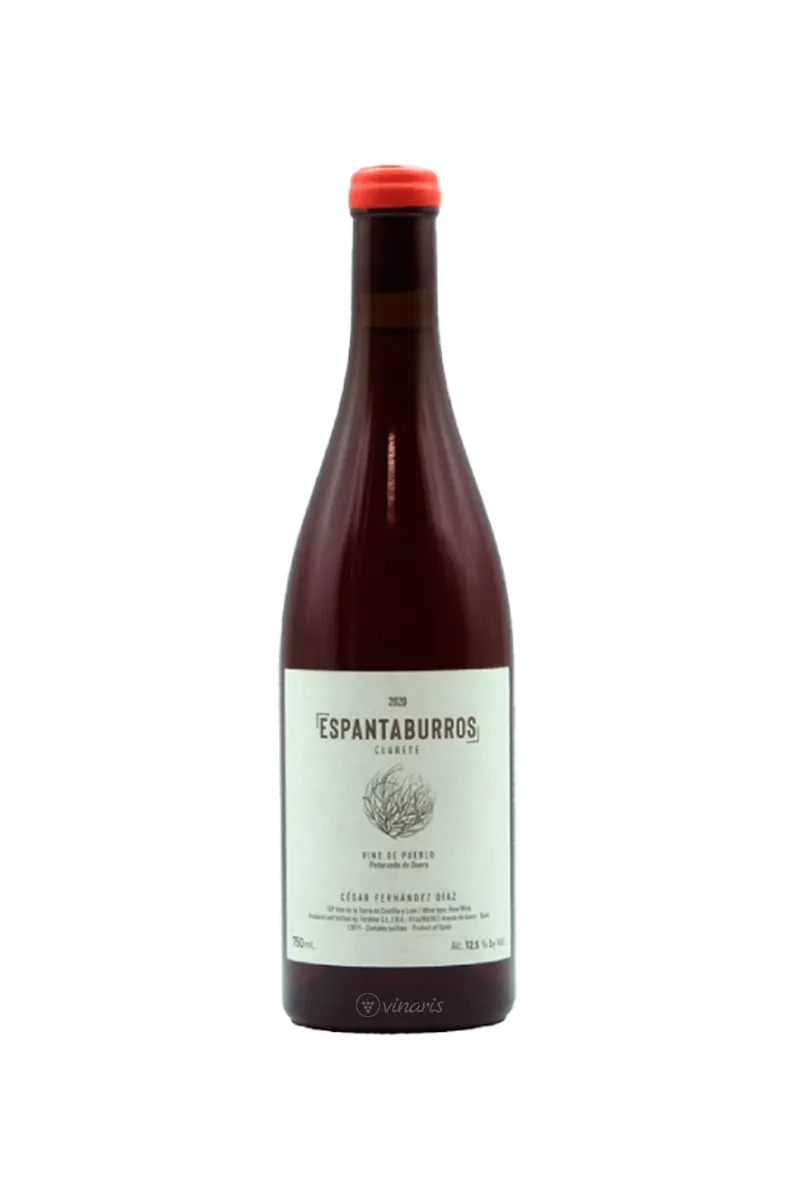
 César Fernández Díaz, IGP Castilla y León (Burgos part of Ribera del Duero). Old bush vines of Tempranillo, Albillo Mayor and co-planted heritage varieties.
 Traditional Spanish clarete: red and white grapes co-fermented, 12–36 hours of skin maceration, spontaneous barrel fermentation and 11 months in neutral oak. Unfiltered, unclarified and low-sulphur. 12.5% abv. Production: 3,336 bottles.

Espantaburros Clarete is a distinctive rosé produced by César Fernández Díaz in the Burgos area of Ribera del Duero, within the IGP Castilla y León appellation of Spain. The 2021 vintage reflects a commitment to traditional viticulture and winemaking practices, utilizing old bush vines.
The wine is crafted from co-planted Tempranillo and Albillo Mayor grapes, alongside other traditional varieties. Following the traditional "clarete" style, the winemaker employs a co-fermentation method where red and white grape varieties are fermented together. This process begins with a maceration period of 12 to 36 hours before spontaneous fermentation takes place in barrels. The wine is then aged for 11 months in very used neutral oak, which imparts minimal wood influence while allowing the fruit character to remain prominent. It is bottled without filtration or clarification and contains low levels of sulfites, resulting in a natural expression of the vineyard.
On the palate, this 12.5% alcohol wine offers a fresh and complex profile characteristic of its unique vinification. The co-fermentation of red and white grapes creates a texture that is both structured and aromatic, bridging the gap between typical rosé freshness and fuller-bodied red wine depth. The extended contact with old neutral oak adds subtle savory notes without overpowering the primary fruit flavors derived from the old vines.
The Wine Advocate (Parker) awarded this wine a score of 93, highlighting its quality and distinctiveness within the region. This recognition underscores the success of Fernández Díaz’s approach to reviving traditional winemaking techniques in modern viticulture.
Overall, Espantaburros Clarete stands as a sophisticated example of Spanish rosé production. It combines historical methods with high-quality old-vine fruit to create a wine that is both authentic and refined. With a limited production of 3,336 bottles, it represents a niche yet significant contribution to the IGP Castilla y León landscape, appealing to those who appreciate natural, unfiltered wines with deep roots in local tradition.
Descripción generada por IA con conocimiento WSET. Solo orientativa.
César Fernández Díaz grew up helping his mother's family in the traditional underground cellars of Aranda de Duero, where wine was kept for household use and sold to friends and neighbors. He studied viticulture and oenology in Madrid and spent nearly a decade training with the most important figures in new Spanish wine: Bodegas Bernabeleva, Viña Mein in Ribeiro, and above all Comando G in the Sierra de Gredos — the project that most shaped his approach, with its emphasis on freshness, tension, and terroir transparency.
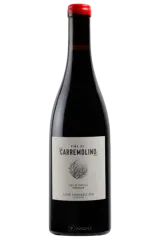
In 2018 he launched his own project with barely 1,800 bottles. He works old vines in Fuentelcésped, in the Burgos part of Ribera del Duero; the wine of the same name comes from his Carremolino plot, on the Monte de La Dehesa. His wines are bottled as Vino de la Tierra de Castilla y León: the variety blends he works with — Tempranillo, Bobal, Bastardo, Listán Prieto, Albillo Mayor, Garnacha — fall outside the rules of the Ribera del Duero DO.
In the cellar he follows the Gredos school closely: indigenous yeasts, light extraction, neutral oak as a vessel with no stylistic role, and zero additions — unfiltered, unfined, no added sulfur. Carremolino comes from his oldest plot, with pre-phylloxera vines alongside others planted between 1915 and 1917, co-planted exactly as they were a century ago. Wine Advocate awarded it 95 points. The Espantaburros Clarete, a co-fermentation of red and white grapes in the traditional Castilian style, received 93 points. "Espantaburros" is the popular name of a wild scrub plant that grows across the dry fields of the area, one that — according to local tradition — used to startle the working donkeys.
See all wines by César Fernández Díaz →