Free shipping from €90 in Spain Mainland and Balearic Islands | 48-72h


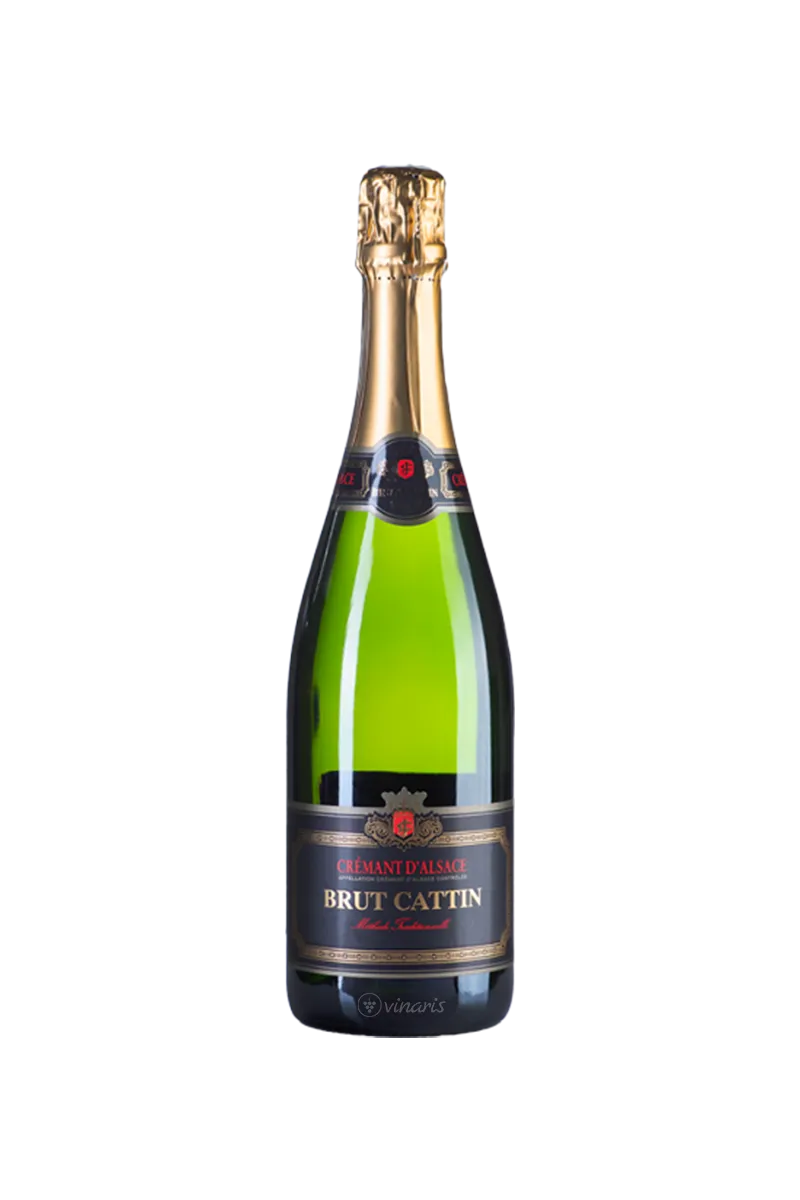
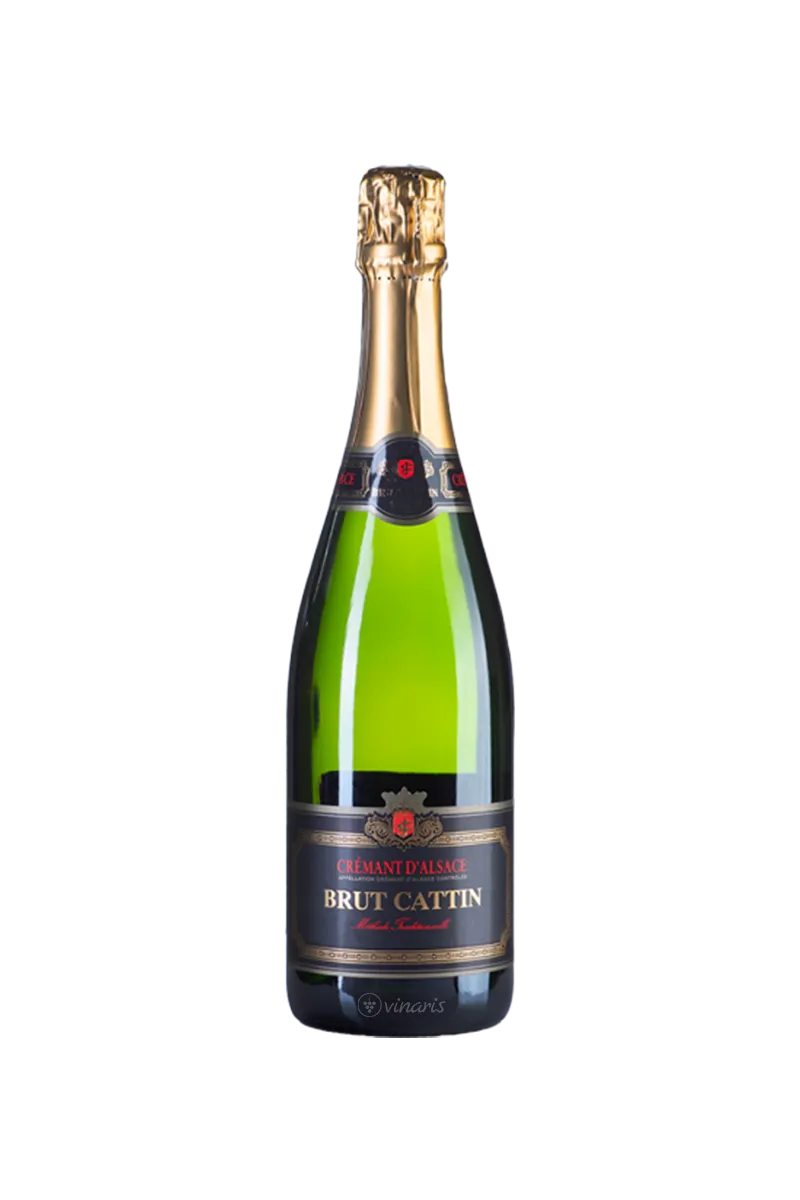
 Domaine Joseph Cattin has cultivated vines in Voegtlinshoffen, Haut-Rhin, since 1720, farming 52 hectares of clay-limestone and sandstone soils across the Vosges foothills slopes. This Crémant d'Alsace is an equal blend of hand-picked Pinot Blanc and Auxerrois.
 Produced by méthode traditionnelle, the wine undergoes its first fermentation in temperature-controlled stainless steel, followed by a minimum of 12–15 months on lees in bottle, surpassing the AOC requirement. Bottled in brut style at 12% ABV.

Wine Identification
This profile concerns the Crémant d’Alsace Brut from Joseph Cattin, a sparkling wine produced in the Alsace region of France. The producer is the historic house of Joseph Cattin, which has been crafting wine in Voegtlinshoffen since 1720. This specific cuvée is a non-vintage blend, meaning it does not carry a single vintage year but represents the house style through careful blending.
Origin and Winemaking
The vineyards are situated on the slopes of the Vosges mountain range, characterized by soils composed of calcareous clay and sandstone. The wine is a blend of two grape varieties: 50% Pinot Blanc and 50% Auxerrois. Grapes are harvested manually to ensure quality selection at the source.
Vinification follows the méthode traditionnelle. The first fermentation takes place in stainless steel tanks, preserving the fresh fruit character of the grapes. Following this, the wine undergoes a secondary fermentation and rests on its lees in bottle for 12 to 15 months. This duration exceeds the minimum requirement set by the Appellation d’Origine Contrôlée (AOC), contributing to the wine’s complexity and texture. The final alcohol content is 12% vol., and it is classified as a Brut style.
Expected Profile
As a sparkling wine, this Crémant offers a refined effervescence derived from its extended lees aging. The combination of Pinot Blanc and Auxerrois typically provides a crisp acidity balanced with subtle fruit notes. The extended bottle aging on lees likely imparts a creamy texture and bready nuances, characteristic of traditional method sparklings from Alsace. It is recommended to be served chilled at 6-7°C to best appreciate its freshness and aromatic complexity.
Pairing Suggestions
The versatility of this wine makes it suitable for a wide range of culinary applications. It serves excellently as an aperitif or with appetizers. Its structure pairs well with foie gras, white meats, poultry, and fish. Additionally, it complements fruit-based desserts and chocolate sweets, offering a harmonious conclusion to a meal.
Critics’ Scores
Jancis Robinson awarded this wine 15.5 points.
Overall Character
The Crémant d’Alsace Brut from Joseph Cattin embodies the heritage of a family estate with over three centuries of winemaking history. Today the estate is run by Jacques Cattin junior and his father, Jacques, with Anaïs in charge of export development; the wine reflects a commitment to traditional methods and high-quality fruit sourcing. It is a classic expression of Alsace sparkling wine, offering elegance and depth through its careful blend and extended lees aging.
Descripción generada por IA con conocimiento WSET. Solo orientativa.
The family is not from there. François Cattin left Porrentruy, in Switzerland, settled in Voegtlinshoffen and turned to wine in 1720. Around 1850 Antoine Cattin committed the house fully to the vine. The twelfth generation runs it today.
The name on the label is Joseph Cattin, who lived from 1882 to 1963. He was a pioneer of grafting during the phylloxera crisis, which is how European viticulture was saved: the aphid killed the European vine at the root and the only way out was to graft it onto resistant American rootstock. Locally he was known as the king of muscat.
Voegtlinshoffen lies less than ten kilometres south-west of Colmar and has eighty-seven hectares under vine. A quarter of that is classified Grand Cru Hatschbourg, which the village shares with neighbouring Hattstadt.
There are documentary references to that site from 1188: it had been giving wine for more than five hundred years by the time the Cattins arrived from Switzerland.
See all wines by Joseph Cattin →