

Free shipping from €90 in Spain Mainland and Balearic Islands | 48-72h



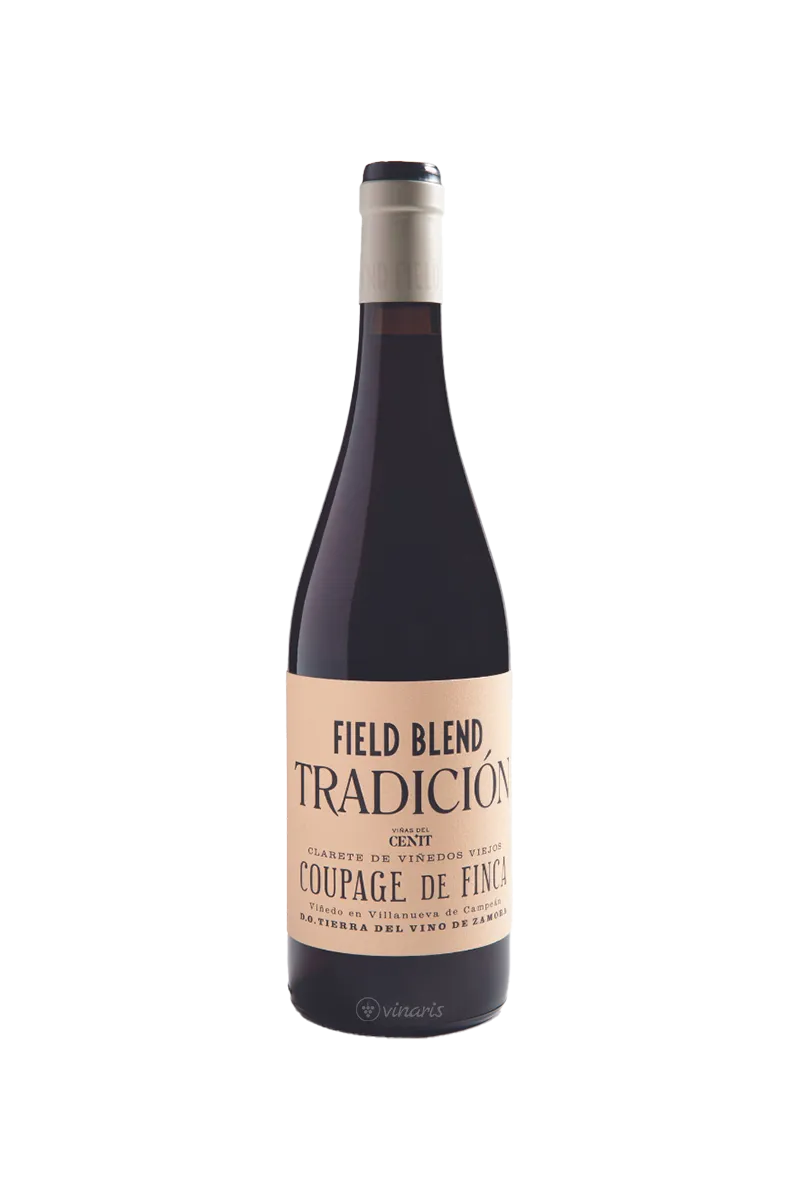
 Field blend of Tempranillo, Garnacha, Doña Blanca, Palomino and other whites, co-planted on old ungrafted vines rooted in phylloxera-resistant sandy soils and river gravel in DO Tierra del Vino de Zamora, Villanueva de Campeán.
 Reds and whites are harvested and co-fermented together, reviving the regional clarete tradition: a pale brick red, fresh and light. Aged 6 months in used French oak.

Field Blend Tradición by Viñas del Cenit (2023)
This wine is a striking example of traditional winemaking from the Tierra del Vino de Zamora appellation in Castilla y León, Spain. Produced by Viñas del Cenit, the 2023 vintage is classified as a rosé, though it is technically a clarete made through the co-fermentation of red and white grape varieties.
The vineyards are located in Villanueva de Campeán, planted on fluvial sands and gravels. The grapes come from old vines aged between 80 and 180 years, grown on their own roots (pie franco). This field blend features Tempranillo and Garnacha co-planted with white varieties including Doña Blanca and Palomino Fino, along with other unspecified white grapes, all growing in the same parcel.
The winemaking process is defined by this ancient method of co-fermentation, where red and white grapes are fermented together to create a traditional Zamoran clarete. The wine undergoes aging for six months in used French oak barrels. This technique results in a pale brick-red color, characteristic of the style.
Critically, the wine has received significant recognition from Guía Peñín, which awarded it 92 points. This score highlights the quality and authenticity of this historical production method.
Overall, Field Blend Tradición offers a unique glimpse into the viticultural heritage of Zamora. By blending red and white varieties in the vineyard and fermenting them together, Viñas del Cenit produces a wine that is distinct from modern rosés or standard reds. The old vines contribute depth and complexity, while the six-month maturation in used French oak adds subtle structure without overpowering the fruit. It is a sophisticated, traditional expression of the region’s terroir, appealing to those interested in historical winemaking techniques and complex, aromatic profiles derived from mixed varietal fermentation.
Descripción generada por IA con conocimiento WSET. Solo orientativa.
These vines were never grafted. There are plants of a hundred and fifty to a hundred and eighty years old put in before phylloxera arrived, and they remain on their own roots because the pest does not thrive in sand: the soil is made of fine sand deposits and patches of smoothly rounded pebbles over clay subsoil, deep and poor in nutrients.
The winery was established in 2004 in Villanueva de Campeán, in the historic Tierra del Vino district, on the left bank of the Duero. It works twenty hectares of old bush-trained vines at altitudes of up to 750 metres, across a heavily fragmented patchwork of small and sometimes tiny plots. Even its youngest wines come from vines averaging thirty-five years.
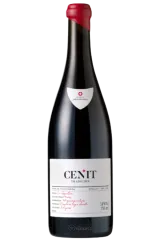
Cenit comes from the six oldest hectares of the estate, vinified plot by plot in small open tanks, with malolactic in barrel and sixteen months in French oak.
Cenit Tradición is made with whole bunches, undestemmed, trodden and pressed, and ages seven months in used barrels.
Field Blend Tradición comes from a plot where red and white varieties are planted together: Tempranillo and Garnacha alongside Doña Blanca, Palomino and other whites. They are all co-fermented, and out of that comes a Zamoran clarete of pale brick red.
See all wines by Viñas del Cénit →