Free shipping from €90 in Spain Mainland and Balearic Islands | 48-72h

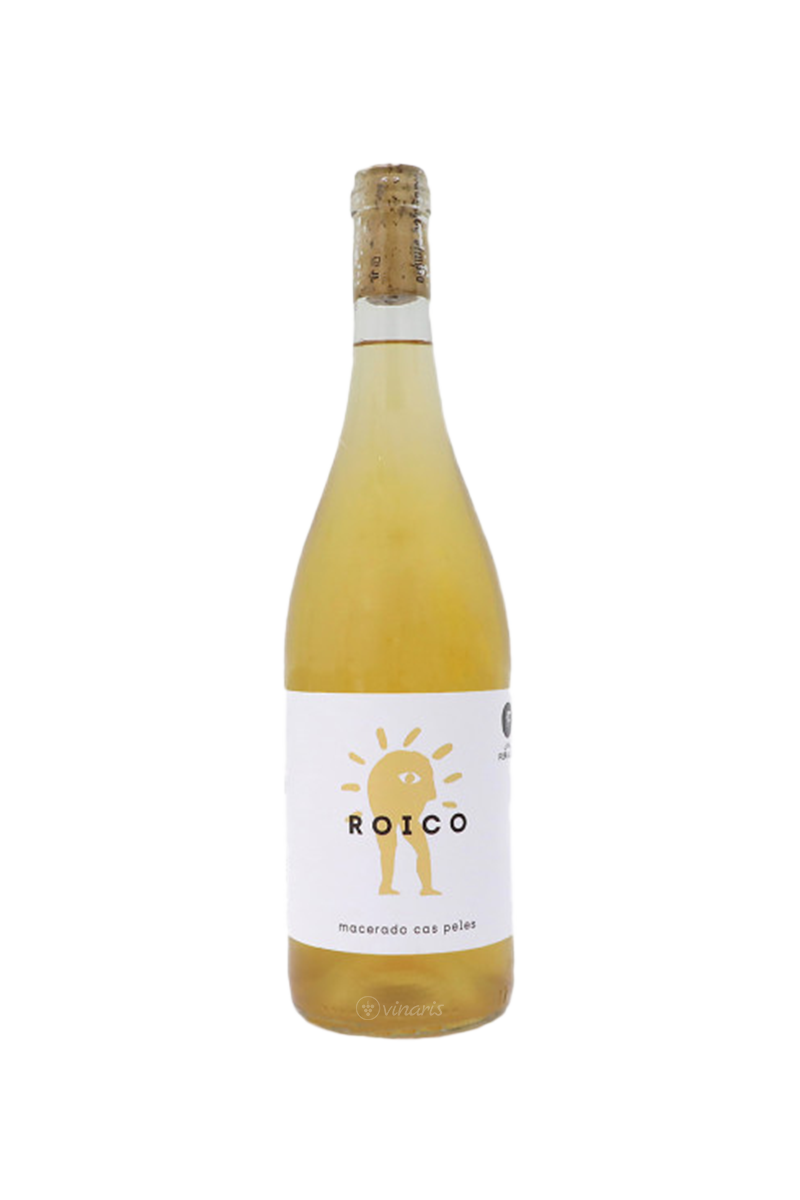
 Adega do Vimbio, Vino de Mesa (Goián, O Rosal, Galicia). Albariño from estate vineyards in Goián, O Rosal, on slate, clay and river-rolled Miño stones. Vines 20–40 years old. Organic practices (uncertified).
 Seven days of skin maceration in clay amphora. Spontaneous fermentation with indigenous yeasts. No added sulphites, unfiltered.

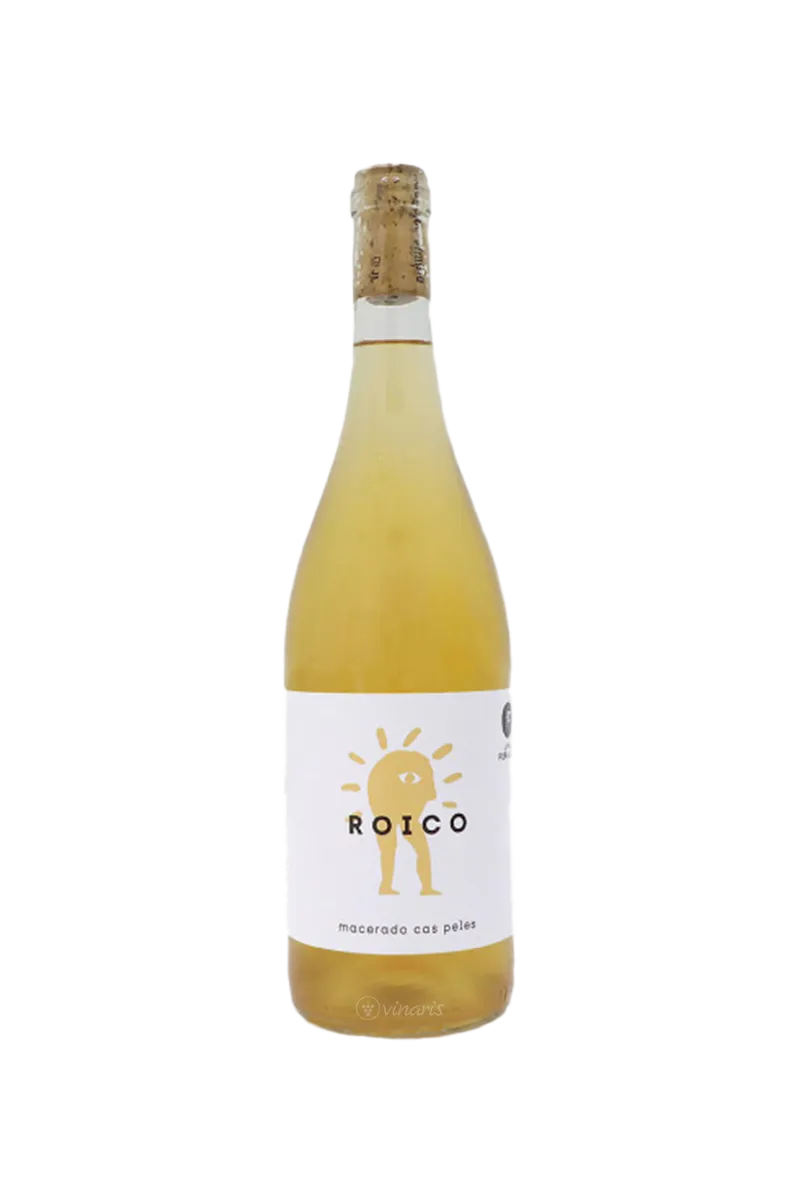
Vino: Roico
Procedencia y elaboración:
El vino Roico es un blanco elaborado con uvas Albariño procedentes de la región de Rías Baixas en Galicia, España. La vinificación se realiza sin control de temperatura y fermentando las uvas con sus pieles, lo que le confiere una mayor complejidad aromática y textural. Se embotella al finalizar la fermentación, manteniendo CO2 residual, y no pasa por filtración ni añade SO2.
Perfil esperado o notas descriptivas:
Roico presenta un perfil fresco y afrutado con notas de frutas blancas como manzana y pera. El contacto con las pieles aporta sutiles matices cítricos y herbáceos, que se complementan con una textura cremosa debido al CO2 residual presente en el vino.
Puntuaciones y comentarios de críticos:
No se proporcionaron puntuaciones ni comentarios específicos de críticos para este vino.
Caracter general del vino:
Roico es un blanco fresco, afrutado y con una textura cremosa debido al CO2 residual. Su elaboración sin filtrar y sin añadir SO2 lo hace único en la región, ofreciendo un perfil más natural y expresivo de las uvas Albariño.
Precio actual: 18,50€
Formato disponible: No especificado en el JSON.
Descripción generada por IA con conocimiento WSET. Solo orientativa.
Adega do Vimbio takes its name from the willow — vimbio in Galician — the branches that O Rosal farmers once used to tie their vines before wire and stakes existed. The name is a statement of intent: to make wine the way it was made before industrialisation, on one of the most unusual soils in Rías Baixas.
The story begins in 1985, when Martín's father Venancio Crusat bought a property in Goián and planted the first hectare of Albariño, before the DO existed. Martín, a biologist, and Patricia Elola, an environmental scientist, had been living abroad for a decade — three years in Vietnam, then Amsterdam — when his father fell ill and they returned to Galicia in 2012. They built the cellar themselves between their three parcels and made their first harvest that same year.
The 2.5 hectares sit at the southern tip of Galicia, on the Miño riverbank facing Portugal. While most of O Rosal rests on granite, Vimbio's plots sit on schist — a geological anomaly that produces wines with a sharper mineral tension and salinity unusual for the subzone. Vines of 30 to 40 years — Albariño, Caiño Blanco and Loureiro — are farmed without herbicides, using Atlantic seaweed as fertilizer and biodynamic preparations from local plant life. They cap their own yields at 5,000 kg per hectare, half of what the DO allows. In 2020 they chose to leave the Rías Baixas designation entirely, to gain freedom with indigenous varieties and their own methods.
In the cellar, intervention is minimal: indigenous-yeast fermentation, no temperature control, no fining, no filtration. Sulphur is kept to a minimum and absent entirely in several wines. The range runs from the Vimbio — a blend of all three white varieties — to the Landra, a Caiño Blanco and Albariño aged in used French barriques of which around 260 bottles are made. Wine Advocate's Luis Gutiérrez awarded every wine in the range 90 points or above.
See all wines by Adega do Vimbio →