

Free shipping from €90 in Spain Mainland and Balearic Islands | 48-72h

We let you know when a new wine arrives or drops in price.
Luis Seabra does not come from a wine family: he was born into a coffee-farming family in Angola and returned to Portugal in the 1970s, though his father's family came from the Douro. He studied viticulture at the university of Vila Real, in the heart of the Alto Douro, and made his name as Niepoort's winemaker before leaving in 2013 to set up on his own.
His stated aim on going independent was blunt: to make the wines he wanted to make, without thinking about what the market wants. In practice that means native-yeast fermentations, one hundred per cent whole bunches for the reds and macerations of up to thirty days with gentle extraction.
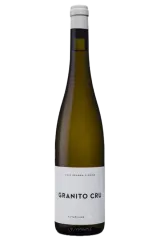
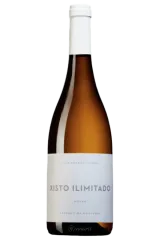
The names of his ranges are a map of soils, and they play on two meanings: in Portuguese cru means raw, and in wine vocabulary it means the site. Granito Cru works through the granite areas variety by variety; Xisto Ilimitado is his village wine, a survey of schist soils across several subzones; and Xisto Cru are single-soil field blends from the best parcels.
He works in three regions at once —Douro, Vinho Verde and Dão— which lets him apply the same thinking across different geological materials.